
Exploring the Benefits of Using Matterport 3D Virtual Tours for Restoration Projects
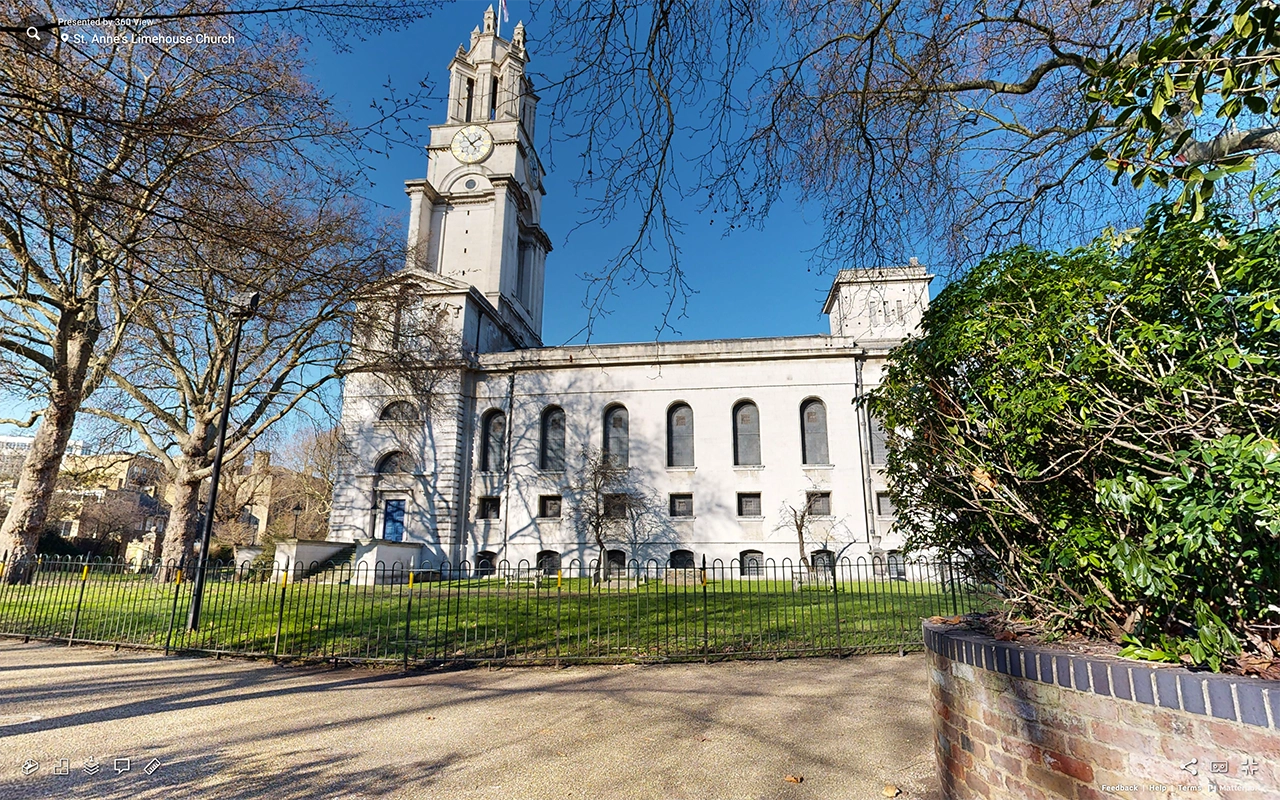
The allure of history and architecture intertwine at St Anne’s Church in Limehouse, East London.
As a Grade I listed building, this edifice requires a meticulous restoration process to preserve its centuries-old legacy.
The power of innovative technology like Matterport 3D Virtual Tours, facilitated by 360 View, brings multiple benefits to this restoration project, enhancing its efficiency and effectiveness.
Embracing the Power of Matterport 3D Virtual Tours
Restoration projects, especially those related to historical structures, require a certain depth of care, precision, and an efficient method to document every inch of the structure.
In the case of St Anne’s Church, a Grade I listed building nestled in Limehouse, East London, these aspects are crucial.
The task at hand is not just any restoration project; it’s an endeavour to breathe new life into centuries of history, to preserve the architectural legacy for future generations.
In such scenarios, the power of innovative technology comes into play, specifically Matterport 3D Virtual Tours.
This pioneering technology has the potential to transform how restoration projects are planned and executed, contributing a variety of benefits to the process.
From providing a meticulously detailed record of the structure, enabling cost savings, preserving historical elements, facilitating improved communication, to assisting in risk mitigation, Matterport 3D Virtual Tours, provided by 360 View, are game-changers in the field of restoration.
This blog will delve deeper into the benefits of using Matterport 3D Virtual Tours for restoration projects, drawing examples from the ongoing efforts to restore the magnificent St Anne’s Church.
As we navigate through the potentials of this innovative solution, we aim to showcase how it can significantly enhance the success and effectiveness of restoration projects, ensuring a seamless blend of history and modern technology.
Detailed Documentation: Capturing the Present to Preserve for the Future
Every restoration project begins with a comprehensive understanding of the existing condition of the structure.
In the case of St Anne’s Church, with its centuries-old architecture, it’s essential to document the present state meticulously, capturing every intricate detail and structural element.
This is where Matterport 3D Virtual Tours excel.
They facilitate the creation of a digital twin of the property that offers a thorough record of the church as it stands today.
With high-definition imagery and a 360-degree perspective, every corner, crevice, carving, and column is captured, leaving no aspect undocumented.
The level of detail that Matterport provides is invaluable to the restoration team.
It allows them to inspect every section of the church, identify areas that need repair, and formulate a detailed restoration plan.
And the best part?
They can do this from anywhere, at any time, without having to be physically present at the site.
In essence, a Matterport 3D Virtual Tour is like having a constantly accessible, interactive blueprint of the church.
It provides a visual point of reference that goes beyond static images and descriptions, giving the team the ability to virtually step into the church and view it from any angle.
The impact of such detailed documentation on the efficiency and accuracy of the restoration project cannot be understated.
It ensures that the rich architectural details of St Anne’s Church are captured in their entirety, forming a solid foundation for the restoration process.
Cost-Effectiveness and Efficiency: Streamlining the Restoration Process
One of the most significant challenges in restoration projects of historical buildings like St Anne’s Church is the extensive time, effort, and resources required for thorough documentation.
Traditional methods involve taking countless photographs, sketching, writing detailed descriptions, and making repeat visits to the site – all of which can be time-consuming, labour-intensive, and potentially lead to inaccuracies due to human error.
Enter Matterport 3D Virtual Tours.
This revolutionary technology streamlines the documentation process by creating an accurate 3D representation of the building in a fraction of the time traditional methods would take.
This 3D model can be interactively explored, providing a full view of the building from every angle.
A few scans of the building are all it takes to create this comprehensive tour, significantly reducing the time spent on site visits.
The efficiency of Matterport 3D Virtual Tours extends beyond the initial scanning process.
Once the digital twin of the building is created, it can be accessed and explored at any time, from anywhere.
This convenience eliminates the need for multiple site visits, further saving time and resources.
From a financial perspective, the cost savings offered by this technology are substantial.
By reducing the need for extensive physical documentation and the time spent on site visits, Matterport 3D Virtual Tours become a highly cost-effective tool for restoration projects.
In summary, Matterport 3D Virtual Tours bring a new level of efficiency and cost-effectiveness to the restoration process, facilitating a quicker, more accurate, and financially viable way to plan and execute the project.
Ensuring Continuity: Preserving Historical Features
A significant part of any restoration project, particularly in historical structures like St Anne’s Church, is preserving the unique architectural elements that contribute to its historical significance.
The Matterport 3D Virtual Tours play a crucial role in this aspect as well.
The immersive nature of these virtual tours allows the restoration team to scrutinize every detail of the building’s architecture.
From intricate carvings and mouldings to the iconic stained glass windows, each unique feature can be captured and examined in detail.
This detailed documentation is invaluable when creating a preservation plan for the church.
With this, the restoration team can ensure that every unique aspect of the church’s architecture is preserved, maintaining the historical integrity of the building while also making the necessary renovations.
Additionally, the virtual tour serves as a record of the historical features in their original state.
This becomes extremely beneficial in the event of any unforeseen circumstances during the restoration process that may damage these features.
With the Matterport 3D Virtual Tours, the restoration team will have a reference point to restore these features accurately.
In essence, Matterport 3D Virtual Tours serve as a guardian of the historical features of St Anne’s Church, ensuring they are well-documented and preserved, thus upholding the church’s architectural legacy for future generations to appreciate.
Facilitating Clear Communication: Visualizing Restoration Plans
Restoration projects involve multiple stakeholders, each playing a vital role in ensuring the project’s success.
Communication among these stakeholders is crucial to ensure everyone has a clear understanding of the project’s status and the restoration plan.
Matterport 3D Virtual Tours enhance this communication significantly, providing a visual representation that everyone can understand and appreciate.
These virtual tours enable stakeholders to step into the building virtually, from any location, providing a clear, accurate, and immersive view of the current state of the church.
This visualization can significantly improve discussions around the restoration strategy, helping stakeholders visualize the changes proposed and understand the impact of the restoration work.
Such enhanced communication is particularly beneficial when dealing with potential donors or funding bodies for the restoration project.
A Matterport 3D Virtual Tour can be a powerful tool to showcase the importance of the project, enabling these individuals to see first-hand the current condition of the church and the need for restoration.
In essence, Matterport 3D Virtual Tours serve as a universal language, bridging any communication gaps between the different stakeholders in a restoration project.
By providing a visual representation that is detailed, accurate, and easily accessible, these tours ensure everyone involved is on the same page, facilitating smoother progress and better outcomes for the restoration project.
Risk Mitigation: Identifying Potential Issues Early On
Restoration projects are inherently complex and often unpredictable, with various factors capable of impacting the project’s timeline, budget, and success.
Matterport 3D Virtual Tours can help mitigate these risks by providing an accurate and detailed representation of the building, enabling the restoration team to identify potential issues before they escalate into major problems.
Through a comprehensive 3D view of the church, the team can pinpoint areas of concern, such as structural weaknesses or deterioration that may not have been immediately apparent during a traditional site visit.
Identifying these issues early on allows for prompt intervention and helps avoid surprises that could cause delays or increase costs.
Moreover, the virtual tour acts as a permanent record of the original condition of the church, providing a reference point in case any unforeseen issues arise during the restoration process.
It also facilitates planning for contingency measures, further enhancing the project’s risk management.
In summary, the incorporation of Matterport 3D Virtual Tours into the restoration planning process is a proactive step towards risk mitigation.
It enables potential issues to be addressed early on, contributing to a smoother, more predictable restoration project and ultimately ensuring the successful preservation of St Anne’s Church for future generations.
Matterport 3D Virtual Tours – A Powerful Ally in Restoration
The task of restoring and preserving the centuries-old St Anne’s Church is monumental.
Yet, with the aid of Matterport 3D Virtual Tours, the process becomes more manageable, efficient, and successful.
These virtual tours provide detailed documentation of the structure, promote cost-effectiveness, ensure the preservation of historical elements, facilitate communication, and assist in risk mitigation – all critical factors contributing to the project’s success.
Harness the power of Matterport 3D Virtual Tours in your restoration projects with 360 View.
Experience the multitude of benefits and ensure the preservation of historic structures for generations to come.
Contact us today to learn more.
Explore more from 360 View: Matterport Digital Twins, virtual tours for hotels, view our project portfolio.
Frequently Asked Questions
What is a Matterport 3D virtual tour?
A Matterport 3D virtual tour is an interactive digital replica of a physical space. Viewers can navigate through rooms, zoom in on details, and experience the space as if walking through it in person.
What industries benefit from Matterport tours?
Matterport tours serve real estate, hospitality, healthcare, retail, education, logistics, and corporate sectors. Any business with a physical space can benefit from a digital twin.
How does a Matterport tour differ from standard photography?
Unlike flat photos, Matterport creates a fully navigable 3D model with depth and spatial awareness. Viewers control their perspective and can measure distances, view floor plans, and explore freely.
Can Matterport tours be shared on social media?
Yes. Matterport tours generate shareable links that work on all social media platforms. Viewers can open the tour directly in their browser without downloading any apps.
Do Matterport tours work on all devices?
Yes. Matterport tours are compatible with desktops, tablets, phones, and VR headsets. The platform automatically adjusts quality based on the device and connection speed.
How long does a Matterport scan take?
Scanning time depends on the size of the space. A typical office or retail space takes 2-4 hours. Larger properties like warehouses or multi-floor buildings may take a full day.


