
Transforming Navigation in Large Spaces: Embracing Indoor Mapping, Google Street View, and 360 Viewing Technology
Overview of the Revolution in Indoor Navigation
In an increasingly interconnected world, the ability to navigate through large, complex spaces has become crucial for an array of sectors. From bustling airports and multi-storied shopping malls to sprawling university campuses and extensive hospital complexes, efficient navigation is key to improving customer experience and operational efficiency. Over the years, the complexity and size of these spaces have grown exponentially, making wayfinding a significant challenge for visitors and staff alike. This has spurred a revolution in indoor navigation solutions.
Large organisations are now recognising the immense potential of modern technologies to assist in navigating through large spaces. These solutions are not only streamlining operations but also enhancing the user experience, increasing accessibility, and promoting exploration. The advent of indoor mapping, Google Street View indoor viewing, and 360-degree viewing technologies has opened up a realm of possibilities to revolutionise indoor navigation.
The Emergence of New Technologies
Google Street View, a technology featured in Google Maps and Google Earth, provides panoramic views from positions along many streets worldwide. Traditionally, this technology was used to provide outdoor navigation. However, it has recently been adapted to accommodate indoor viewing, making it possible for users to virtually explore buildings and facilities before visiting in person.
On the other hand, indoor mapping is similar to traditional mapping but with a focus on the interior of buildings. This technology helps in plotting out accurate indoor floor plans that aid in navigation within large structures. It is particularly useful in complex buildings where traditional signage may not be sufficient.
Lastly, 360-degree viewing technology provides a complete spherical view of an environment, allowing users to look in all directions and giving them a more immersive view of their surroundings. This tool is an excellent way to familiarise oneself with a new space and can even serve as a virtual tour guide. These emerging technologies are providing innovative solutions to age-old problems, offering an unprecedented level of navigational assistance.
In the following sections, we will delve into how various sectors are harnessing these technologies to transform their spaces and enhance their customer experience.
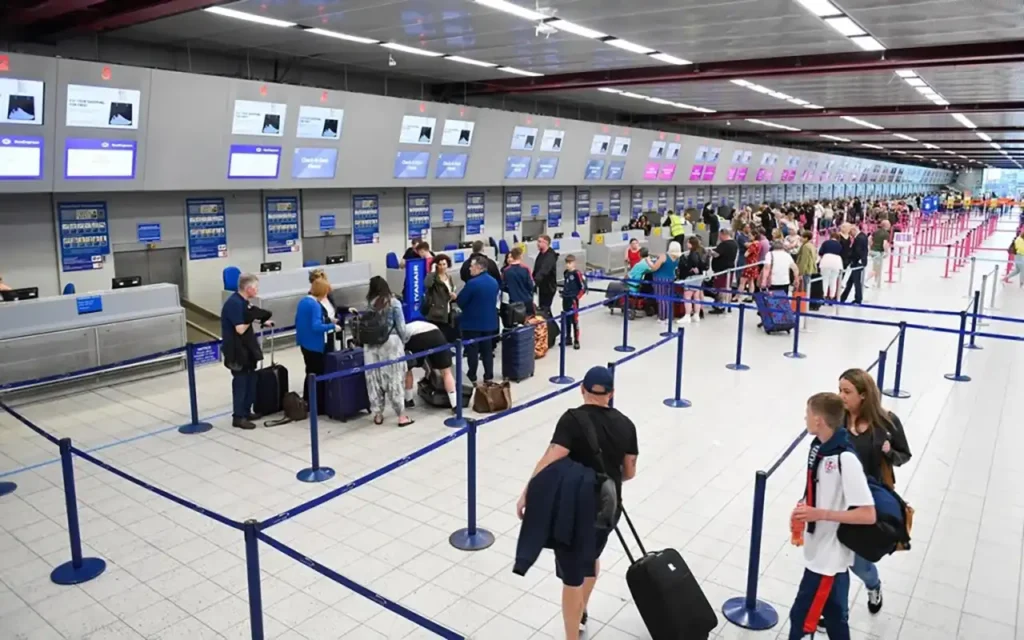
Airports and Transport Stations: Pioneering Digital Navigation
The Use of Google Street View in Airports and Transport Stations
For passengers, navigating through enormous airports and transport stations can often feel like traversing through a labyrinth. Google Street View has emerged as a potent tool in addressing this challenge. By providing a detailed and interactive panoramic view of airport terminals and transport stations, this technology has made it possible for passengers to virtually walk through these spaces before their journey.
From locating check-in counters, gates, baggage claims, to finding food courts and restrooms, Google Street View allows passengers to plan their route and familiarise themselves with their surroundings beforehand. This significantly reduces the stress of travel and helps them to save precious time.
The Impact of Indoor Mapping and 360 Viewing in Streamlining Transportation
Indoor mapping and 360-degree viewing technologies are also transforming the way we navigate transportation hubs. Detailed indoor maps can guide passengers seamlessly from one point to another, be it within the airport or moving from one mode of transport to another in a large transport station.
360-degree viewing technology offers a comprehensive perspective, making it easier to understand the spatial relationships within a large environment. This technology provides a visually immersive experience that allows passengers to explore their surroundings virtually, helping them feel more comfortable and prepared when they arrive.
Case Studies: Success Stories in the Transportation Sector
- Amsterdam’s Schiphol Airport: Recognized as one of the most tech-forward airports in the world, Schiphol was one of the first to integrate Google Street View, indoor mapping, and 360-degree viewing technologies. Passengers can now virtually tour the airport, find their gates, shops, lounges, and other amenities, significantly enhancing their travel experience.
- Tokyo’s Shinjuku Station: Known as the world’s busiest transport station, Shinjuku Station leverages these technologies to make it easier for passengers to navigate its intricate network of train lines. Through Google Street View and indoor mapping, commuters can locate platforms, exits, transfers, and surrounding attractions without any hassle.
By embracing these innovative solutions, airports and transport stations are not just simplifying navigation, but they are also enriching the passenger experience and setting a new standard for the transportation sector.
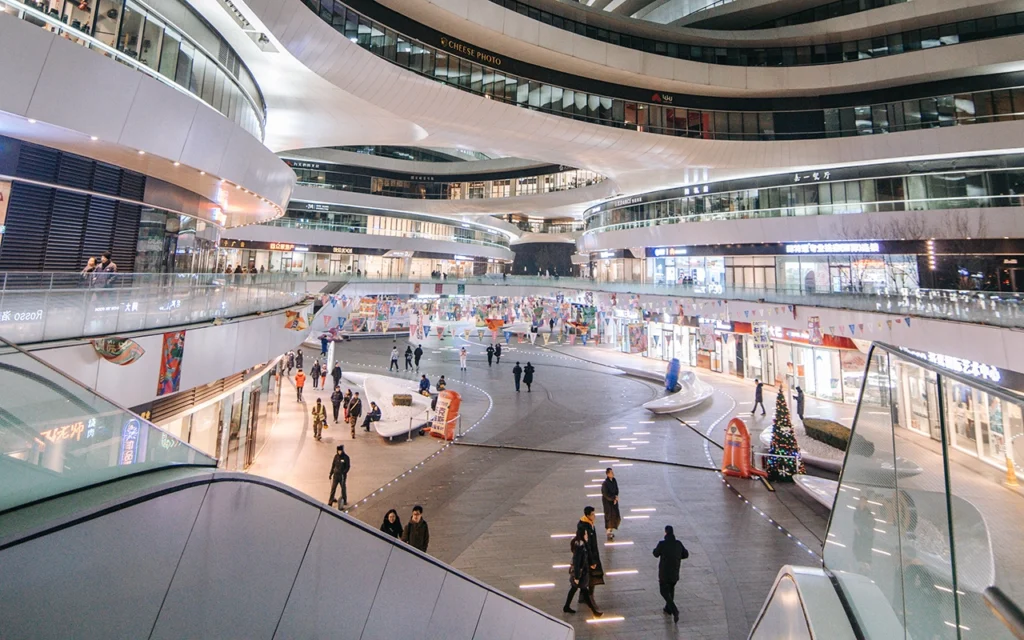
Shopping Centres: Transforming Customer Experience with Technology
The Role of Google Street View in Shopping Malls
Shopping malls, characterised by their vast spaces and multitude of stores, can sometimes be challenging to navigate. This is where Google Street View has come into play, enabling customers to conduct virtual walk-throughs of these expansive structures. With Google Street View, customers can explore shops, locate their favourite brands, identify food courts, and even scout parking spots, all from the comfort of their homes. It aids in strategic route planning, helping shoppers to maximise their time and enhance their overall shopping experience.
Indoor Mapping and 360 Viewing: A Shopping Game-Changer
Apart from Google Street View, shopping centres are leveraging indoor mapping and 360-degree viewing technologies to amplify their customer experience. Indoor mapping provides detailed floor plans, helping shoppers locate specific stores, sections, and amenities quickly and efficiently. 360-degree viewing takes customer engagement to a new level by providing immersive virtual tours of the mall. This technology allows users to explore their surroundings thoroughly, giving them the feeling of being physically present in the mall. It can also aid retailers in showcasing their products and services in a more engaging manner.
Case Studies: Shopping Centres Excelling in Digital Navigation
- Dubai Mall, UAE: One of the largest shopping centers globally, Dubai Mall has been at the forefront of embracing these new technologies. By incorporating Google Street View and indoor mapping, they’ve made it easier for customers to navigate its immense space, which houses over 1,200 stores and countless amenities.
- Mall of America, USA: Known as one of the biggest shopping and entertainment complexes in the U.S., the Mall of America uses indoor mapping and 360-degree viewing to guide its visitors. Customers can virtually explore the mall’s various sections, including its theme park, aquarium, and hundreds of retail stores, thereby enhancing their visit planning and shopping experience.
Through the strategic use of these technologies, shopping centres around the world are raising the bar for customer engagement, making shopping a more enjoyable and less daunting task.

Museums and Historical Sites: Enhancing Exploration with Digital Tools
Google Street View: A Virtual Tour Guide
In an era where technology and culture intersect, Google Street View has emerged as a virtual tour guide for museums and historical sites. This tool allows visitors to explore exhibits, artwork, and historical artefacts from the comfort of their homes, thereby making culture and history more accessible to a broader audience. Google Street View offers a unique opportunity to zoom in on exquisite details, move around freely, and experience a space without any crowd distractions, providing an intimate and immersive interaction with the art and history. It’s especially beneficial for people who are physically unable to visit these sites or for those planning their visit in advance.
Indoor Mapping and 360 Viewing: Exploring Museums Like Never Before
Indoor mapping has transformed how we navigate through museums and historical sites. Detailed floor plans guide visitors through different sections, helping them locate exhibits of interest, restrooms, cafes, and exit points without any hassle. 360-degree viewing offers an immersive experience by providing a spherical perspective of the surroundings. This technology allows users to virtually “walk” through different rooms, inspect artefacts up-close, and explore areas they might have otherwise missed, providing a comprehensive and enriching virtual visit.
Case Studies: Museums and Historical Sites Leading the Way
- The British Museum, London: The British Museum collaborated with Google to offer Google Street View access to its galleries. Now, anyone around the globe can virtually tour the museum, exploring everything from the Egyptian mummies to the Rosetta Stone in extraordinary detail.
- The Palace Museum, Beijing: Also known as the Forbidden City, the Palace Museum has fully embraced digital navigation tools. With indoor mapping and 360-degree viewing, visitors can explore this vast complex virtually, gaining insights into China’s rich history and culture.
These technological advancements are not only improving visitor experience but also democratising access to cultural and historical treasures, thus revolutionising the way we interact with museums and historical sites.
Universities: Creating Immersive Campus Experiences
Google Street View: Your Virtual Campus Tour
Universities around the world are vast, comprising multiple buildings, facilities, and intricate pathways. For prospective students and newcomers, these can be intimidating to navigate. Google Street View has stepped in as an effective solution, providing virtual tours of the university campuses. These tours enable users to visit academic buildings, libraries, dormitories, athletic facilities, and more, giving them a sense of the campus’s layout and ambiance. It not only helps in familiarising oneself with the campus but also aids in decision-making for prospective students who can’t visit in person.
Indoor Mapping and 360 Viewing: Making the Campus Smaller
Indoor mapping technology provides detailed floor plans of university buildings, aiding in seamless navigation from classrooms to labs, libraries to cafeterias. It reduces the time and effort taken to locate different facilities and ensures that students and staff can move around efficiently. 360-degree viewing technology offers an immersive perspective of the university environment. It can serve as a virtual tour guide, providing a comprehensive view of lecture halls, libraries, dorm rooms, and more. This enhances the familiarity with the campus, easing the transition for new students and visitors.
Case Studies: Universities Excelling in Digital Navigation
- Stanford University, USA: Stanford has incorporated Google Street View, indoor mapping, and 360-degree viewing technologies to offer interactive virtual tours. Prospective students and visitors can explore the expansive campus, various facilities, and student residences, making it an excellent tool for campus orientation.
- University of Cambridge, UK: The historic University of Cambridge utilizes these digital navigation tools to guide its visitors through the ancient colleges, libraries, and other facilities. The technology helps maintain the University’s rich tradition while embracing modernity for the ease of its students and visitors.
By integrating these innovative technologies, universities are enhancing the campus experience, making it more accessible and inviting for students, staff, and visitors alike. This integration signifies a remarkable shift in how universities present themselves to the world and manage their internal navigation.

In conclusion
The Future of Indoor Navigation Technology
The current trends in indoor navigation technology indicate that we are only scratching the surface of what is possible. As technologies such as Google Street View, indoor mapping, and 360-degree viewing continue to evolve, they will offer even more sophisticated solutions to navigate large and complex spaces. The future could see the integration of Artificial Intelligence and Machine Learning to provide personalised navigation experiences, taking into account individual preferences and needs.
Augmented Reality could overlay digital information onto the physical environment, further enhancing the user’s understanding of the space around them. These technologies will continue to play an integral role in sectors ranging from transportation to education, healthcare to retail, and beyond. They are poised to make our interactions with large spaces more intuitive, efficient, and enjoyable.
Remaining Challenges and Opportunities
While the advancements in indoor navigation technology have been impressive, challenges remain. Issues related to data privacy and security, accuracy of indoor maps, and the digital divide must be addressed as these technologies become more mainstream. Yet, these challenges present opportunities for innovation and improvement.
As organisations continue to adopt and adapt these technologies to their specific needs, we will see more solutions addressing these challenges. Indoor navigation technologies have the potential to not only revolutionise how we navigate large spaces but also to transform how organisations operate and interact with their users.
The future promises exciting developments in this field, and the journey has only just begun. Contact us today and let us help you elevate your business to new heights.
Stay updated with the most interesting trends and news that helps you maximise your business online visibility. Connect with us on Facebook, Instagram, LinkedIn, and Twitter!
Explore more from 360 View: Indoor Google Street View, virtual tours for healthcare, view our project portfolio.
Frequently Asked Questions
Do virtual tours work on tablets?
Yes. Tablets provide an excellent viewing experience with full touch navigation. Landscape mode on tablets offers a particularly immersive experience for exploring spaces.
Why should a small business invest in a virtual tour?
Virtual tours build customer trust, increase online engagement, and improve conversion rates. They’re cost-effective marketing that works 24/7, helping small businesses compete with larger competitors online.
How do offices and corporate spaces benefit from tours?
Office spaces use virtual tours for recruitment, client impressions, and space marketing. Companies showcasing modern facilities attract better talent and client confidence. Tours also help remote employees understand the physical workspace.
What file formats do 360 View tours use?
Tours use industry-standard formats like JPEG 360, MP4 360-video, and proprietary formats for interactive elements. All formats are web-optimised for fast loading and broad device compatibility.
Can I request a retake if people are visible in the tour?
Yes. If privacy concerns arise or visitors were unaware of capture, contact us. We can edit or re-shoot affected areas. Discuss staffing and public access before capture to minimise privacy issues.
Can I create a QR code for my virtual tour?
Yes. 360 View can generate QR codes linking to your tour. Customers scan the code with their phone camera and access the tour instantly—great for signage, marketing materials, or print media.
How is lighting handled in indoor virtual tours?
We use professional lighting equipment to ensure consistent, flattering illumination throughout spaces. Post-processing further balances lighting for natural, realistic appearance in all areas.